
円買い協調介入の岐路 — 信用とインフレが交錯する高リスクな攻防戦
Background: US-Japan Joint Defending Yen
In recent days, the global foreign exchange market has witnessed a rare and dramatic chapter: a coordinated joint intervention by the U.S. and Japanese authorities to support the Japanese Yen (JPY). This move marks a critical turning point in global macroeconomics, pulling the currency back from the brink of a historic collapse.
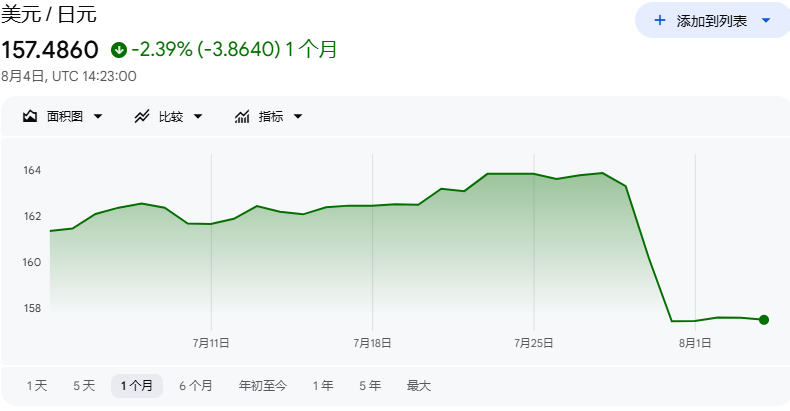
The Mechanics: Timing, Scale, and Implementation
- Timing: Following weeks of speculative short-selling that pushed the currency toward multi-decade lows, the U.S. Department of the Treasury and the Ministry of Finance (MoF) of Japan launched a sudden, coordinated assault on Yen bears.
- Scale & Force: While exact fiscal data remains subject to official disclosure schedules, market liquidity tracking suggests a multi-billion dollar operation. The intervention was deployed with massive force during overlapping London and New York trading hours to maximize psychological impact on global trading desks.
- Specific Operations: Unlike Japan’s unilateral actions earlier this year, this operation featured direct, simultaneous dollar-selling and yen-buying by both the Federal Reserve Bank of New York (acting for the U.S. Treasury) and the Bank of Japan (BOJ). This joint action successfully forced a sharp, immediate short-squeeze, lifting the Yen from its absolute lows.
The CYJ View: Unmasking the Strategic Motivations
From the perspective of CYJ, this joint rescue operation is deeply tied to broader geopolitical and macroeconomic distress.
Why did the United States agree to assist the Yen now? The root cause lies in the Federal Reserve’s recently amplified hawkish interest rate guidance. In the U.S., sticky inflation remains stubbornly high, fueled by prolonged global conflicts and elevated energy prices. Compounding the issue, the U.S. Strategic Petroleum Reserve (SPR) sits at a historic low, leaving the economy exceptionally vulnerable to supply shocks. Consequently, cYJ forecasts that the Fed will implement one more interest rate hike within 2026.
Conversely, Japan continues to battle severe imported inflation, heavily weighing on domestic purchasing power and keeping the Yen under structural pressure. If Tokyo is forced to unilaterally or aggressively defend its currency going forward, its primary lever is liquidating its massive holdings of U.S. Treasuries. Dumping long-term U.S. bonds would inevitably drive long-end Treasury yields higher. For Washington, an artificial spike in long-term borrowing costs would severely complicate its already fragile monetary and fiscal policy tightrope, explaining why a preemptive, orderly joint intervention was deemed the lesser of two evils.
Future Outlook: The Grim Reality of a 160 Tug-of-War
Looking ahead, the fate of the Yen remains structurally tethered to global commodity and geopolitical realities. If ongoing wars do not subside and the energy crisis is not resolved, the Yen will remain fundamentally disadvantaged.
With the U.S.-Japan interest rate differential poised to widen further due to the expected Fed hike, the Yen faces a grueling tug-of-war around the 160 level. In this high-stakes game, the defending parties—the central banks and treasuries of both nations—are wagering their own institutional credibility.
Should policymakers fail to properly manage market expectations or exhibit any signs of hesitation, speculative short-sellers will inevitably regroup. If the defensive wall breaks, market forces could easily propel the currency well past 160. Traders must not forget history: in past structural crises, the Yen has plummeted to as low as 240 against the greenback.
円買い協調介入の岐路 — 信用とインフレが交錯する高リスクな攻防戦
ここ数日、世界の外国為替市場は極めて異例かつ劇的な局面を迎えました。歴史的な暴落の危機に瀕していた日本円(JPY)を救うため、日米当局による**協調為替介入(共同介入)**が実施されたのです。この動きは、世界のマクロ経済における重大な転換点となります。
介入のメカニズム:時期、規模、そして具体的オペレーション
- 時期: 投機的な円売りポジションが膨らみ、円相場が数十年来の安値圏へ押し込まれたことを受け、米財務省と**日本財務省(為替当局)**は円売り勢力に対して電撃的な共同奇襲を仕掛けました。
- 規模と威力: 正確な財政データは今後の公式発表を待つ必要がありますが、市場の流動性動向からは数十億ドル規模の巨額オペレーションであったことが推測されます。世界のトレーディングデスクへの心理的打撃を最大化するため、ロンドン市場とニューヨーク市場が重なる時間帯に圧倒的な資金力が投入されました。
- 具体的な操作: 年初に見られた日本の単独介入とは異なり、今回はニューヨーク連邦準備銀行(米財務省の代理)と日本銀行(BOJ)が、同時にドル売り・円買いの直接オーダーを執行しました。この共同戦線により、市場では急激なショートスクイーズ(空売りの踏み上げ)が発生し、円は当面の最安値から急速に反発しました。
CYJの視点:戦略的動機を解き明かす
CYJの分析によると、今回の米国の円救済への参画は、広範な地政学的リスクおよびマクロ経済の歪みに深く起因しています。
米国がこのタイミングで円高への協調に踏み切った背景には、先頃米連邦準備制度理事会(FRB)が示したタカ派的な利上げ姿勢があります。米国では、泥沼化する戦争とエネルギー価格の高止まりによってインフレが容易に収束していません。さらに深刻なのは、米国の戦略石油備蓄(SPR)が歴史的な低水準にある点であり、これが供給ショックへの脆弱性を高めています。こうした状況から、cYJは**「FRBは2026年内にあと1回の追加利上げを行う」**と予測しています。
一方で、日本は根強い輸入インフレに直面しており、これが円の構造的な下押し圧力となっています。今後、日本がさらに円を防衛しようとするならば、手持ちの米国債を大量に売却せざるを得なくなります。そうなれば、米国の長期金利(長端金利)が強制的に押し上げられ、米国の金融・財政政策は極めて棘の多い、困難な舵取りを迫られることになります。米国が今回介入に協力したの本質的な理由は、このシナリオを回避するためです。
今後の展望:1ドル=160円を巡る過酷な拉鋸戦(引き合い)
今後の円相場を展望すると、その運命は世界のエネルギー危機と地政学リスクの解決に完全に縛られています。戦争が終結せず、原油・ガス価格の不透明感が払拭されない限り、円の劣勢を根本から覆すのは困難です。
米国の追加利上げによって日米の金利差がさらに拡大することを考慮すると、円は**1ドル=160円前後の水準で極めて過酷な拉鋸戦(攻防戦)**を強いられるでしょう。この防衛戦において、日米の利上げ・為替当局は「自国の市場信用」という最大の代償を支払っています。
もし当局が市場の期待マネジメント(アナウンスメント効果)に失敗し、わずかでも弱気な姿勢を見せれば、投機筋の空売り勢力は再び勢いを取り戻します。防衛ラインが突破された場合、円売り圧力は一気に円を160円以上の水準へと押し進める可能性があります。歴史を振り返れば、円の対ドル最安値はかつて240円台まで沈んだことがあるという事実を忘れてはなりません。

